Asia: The Cradle of Civilization, Culture, and Diversity
Introduction
sia is the largest and most diverse continent on Earth, both in terms of landmass and population. Home to more than half of the world’s population, sia is a vast mosaic of cultures, languages, religions, histories, and landscapes. From ancient civilizations and philosophical traditions to modern megacities and technological innovation, sia has played—and continues to play—a central role in shaping human civilization.
The term “Asian” encompasses a broad range of identities, ethnicities, and cultures, reflecting the immense geographical and cultural diversity of the continent. This article explores Aia’s geography, history, cultures, religions, economies, traditions, challenges, and global influence, offering a comprehensive understanding of what it truly means to be Asan.
Geographical Overview of Asia
Asa covers approximately 44.5 million square kilometers, making up about 30% of the Earth’s land surface. It stretches from the icy Arctic regions of Siberia to the tropical rainforests of Southeast Asia, and from the deserts of the Middle East to the island nations of East sia.
Major Regions of Asia
Asa is commonly divided into several regions:
- South Asia: India, Pakistan, Bangladesh, Sri Lanka, Nepal, Bhutan, Maldives
- East Asia: China, Japan, South Korea, North Korea, Mongolia, Taiwan
- Southeast Asia: Indonesia, Malaysia, Thailand, Philippines, Vietnam, Singapore, Myanmar, Cambodia, Laos, Brunei
- Central Asia: Kazakhstan, Uzbekistan, Turkmenistan, Kyrgyzstan, Tajikistan
- West Asia (Middle East): Saudi Arabia, Iran, Iraq, Turkey, Israel, UAE, Qatar, Kuwait, Yemen, Oman
Each region contributes unique cultural, historical, and social characteristics to the Aan identity.
Asia: Birthplace of Ancient Civilizations
sia is often referred to as the cradle of civilization. Some of the world’s earliest and most influential civilizations originated here.
Indus Valley Civilization
Located in present-day Pakistan and northwest India, the Indus Valley Civilization was one of the world’s earliest urban societies, known for:
- Advanced city planning
- Drainage systems
- Trade networks
- Standardized weights and measures
Mesopotamian Civilization
Situated between the Tigris and Euphrates rivers, Mesopotamia is often called the “Cradle of Civilization”, contributing:
- Writing systems (cuneiform)
- Legal codes (Code of Hammurabi)
- Agricultural advancements
Chinese Civilization
Ancient China developed along the Yellow River and Yangtze River, contributing:
- Paper, printing, gunpowder, and compass
- Confucian philosophy
- Strong bureaucratic governance
These civilizations laid the foundation for modern governance, science, and culture.
Cultural Diversity of Asian People
Being Asian does not represent a single culture or ethnicity. Asa is home to thousands of ethnic groups, each with its own customs, languages, and traditions.
Languages of Asia
ia has the highest linguistic diversity in the world, including:
- Indo-European languages (Hindi, Urdu, Persian)
- Sino-Tibetan languages (Mandarin, Cantonese)
- Dravidian languages (Tamil, Telugu)
- Altaic and Turkic languages
- Austronesian languages (Malay, Filipino)
This linguistic richness reflects Aia’s complex cultural history.
Religions Originating in Asia
ia is the birthplace of the world’s major religions, influencing billions of people globally.
Hinduism
- Originated in South Aa
- One of the world’s oldest religions
- Focuses on dharma, karma, and moksha
Buddhism
- Founded by Siddhartha Gautama (Buddha)
- Emphasizes enlightenment and compassion
- Widely practiced in East and Southeast ia
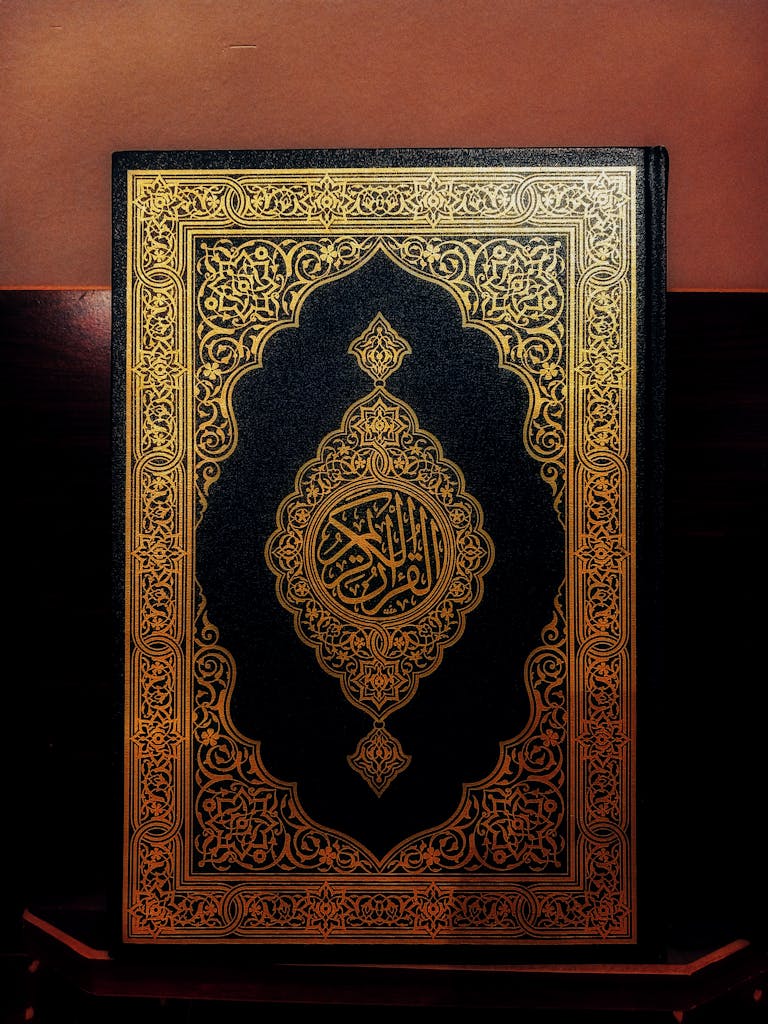
Islam
- Originated in West
- Centers on belief in one God (Allah)
- Strong influence in South, West, and Central
Christianity
- Originated in the Middle East
- Spread across through missionaries and trade
Confucianism and Taoism
- Chinese philosophical traditions
- Focus on harmony, ethics, and balance
’s religious diversity promotes spiritual richness and philosophical depth.
Asian Traditions and Values

Despite diversity, many cultures share common values.
Family and Community
- Strong emphasis on family bonds
- Respect for elders
- Collective responsibility over individualism
Hospitality
In many societies, hospitality is considered a moral duty, deeply rooted in tradition.
Respect and Discipline
Social harmony, respect, and discipline are highly valued across cultures.
Asian Art, Literature, and Philosophy
has a rich tradition of artistic and intellectual contributions.
Literature
- Indian epics: Ramayana and Mahabharata
- Chinese classics: The Analects, Tao Te Ching
- Persian poetry: Rumi, Hafez
Art and Architecture
- Hindu and Buddhist temples
- Islamic mosques and calligraphy
- Chinese ink painting
- Japanese Zen gardens
art often blends spirituality with aesthetics.
Asian Food and Cuisine
cuisine is famous worldwide for its diversity and flavors.
Characteristics of Asian Food
- Use of spices and herbs
- Rice as a staple food
- Balance of flavors: sweet, sour, salty, spicy, and bitter
Popular Asian Cuisines
- Indian curry and biryani
- Chinese noodles and dumplings
- Japanese sushi and ramen
- Thai and Vietnamese street food
- Middle Eastern kebabs and hummus
Food plays a central role in culture and hospitality.
Asian Economies and Development
is a driving force in the global economy.
Economic Powerhouses
- China: Manufacturing and technology
- Japan: Innovation and industry
- India: IT, services, and startups
- South Korea: Electronics and entertainment
includes both highly developed nations and developing economies, showcasing economic diversity.
Asian Diaspora and Global Influence
Millions of live outside contributing to global society.
Areas of Influence
- Science and technology
- Medicine and research
- Business and entrepreneurship
- Arts and entertainment
cultures have influenced global fashion, cuisine, cinema, and philosophy.
Challenges Facing Asia
Despite progress, faces several challenges:
- Overpopulation
- Poverty and inequality
- Climate change
- Political conflicts
- Urbanization and environmental issues
Addressing these challenges requires regional cooperation and sustainable development.
Asia in the Modern World
continues to shape the future through:
- Technological innovation
- Cultural exchange
- Economic growth
- Global diplomacy
Young populations and rapid digital transformation are redefining the identity.
Asian Identity in the 21st Century
Being today means:
- Balancing tradition and modernity
- Preserving cultural heritage
- Embracing global citizenship
identity is dynamic, resilient, and influential.
Conclusion
is more than a continent—it is a civilizational powerhouse, a cultural treasure, and a source of timeless wisdom. The term “Asin” represents diversity, resilience, spirituality, and innovation. From ancient philosophies to modern technology, sia continues to shape the past, present, and future of humanity.
Understanding ia means appreciating its complexity, respecting its traditions, and recognizing its global importance. As the world becomes increasingly interconnected, ’s role in shaping global culture, economy, and ideas will only continue to grow.