Bin Matcha: The Ultimate Guide to Premium Matcha Preservation, Flavor, and Wellness
Introduction: What Is Bin Matcha?
Matcha is one of the most celebrated teas in the world—a vibrant green, finely ground powdered tea with deep cultural roots in Japan and a wide modern following in cafés, health circles, and kitchens globally. But as matcha grows in popularity, a new term has begun circulating among enthusiasts and specialty tea lovers: “bin matcha.”
So what exactly is bin matcha, and why are people talking about it?
In this comprehensive guide, we’ll explore everything about bin matcha—from its meaning, origins, and production processes to the benefits, flavor profiles, storage techniques, cultural relevance, culinary uses, and much more. Whether you’re a seasoned matcha devotee or new‑to‑tea curious, this deep dive will give you a full understanding of what bin matcha is all about and why it matters.
H1: Understanding “Bin Matcha” — Definition and Core Concept
The phrase “bin matcha” isn’t another variety of tea plant or a completely new type of matcha. Rather, it refers to how matcha is stored, preserved, and sometimes aged to enhance flavor, longevity, and nutrient stability.(aisaspa)
The term “bin” literally relates to storage—think of a container, jar, or “bin” designed to protect and preserve the powdered tea. This might involve controlling light, oxygen, moisture, and temperature after grinding, ensuring the matcha remains vibrant, aromatic, and potent for longer than tea stored in regular packaging.(SayWhatMagazine)
While some producers go a step further by gently aging matcha or exposing it to specific storage conditions, others simply use superior packaging to safeguard quality post‑production. Regardless of the exact technique, the end result is a matcha that’s mellow in flavor, rich in aroma, and often more resilient to degradation over time.(aisaspa)
Put simply:
- Standard matcha – often packaged in simple tins that may allow gradual oxidation.
- Bin matcha – stored in premium airtight containers (or sometimes aged) to preserve freshness and deepen flavor.(SayWhatMagazine)
H2: The Origins of Bin Matcha — Tradition Meets Modern Preservation
Ancient Roots of Matcha Tea
Matcha itself traces its roots back to China’s Tang dynasty before being refined and ritualized in Japan during the 12th century. Monks brought techniques for powdered green tea, transforming them over centuries into the iconic matcha of Japanese tea culture.(Techkou)
Traditional matcha was prized for its freshness and vibrant flavors, especially in ceremonial contexts. Protecting freshness was always essential, leading tea masters to use specialized tea caddies (chaki) and clay pots to guard the powder against oxidation.(Vents Magazine)
Modern Evolution of Storage Techniques
Bin matcha’s modern concept builds on that traditional understanding of preserving matcha quality. Today’s bin matcha often involves:
- Airtight containers that reduce oxygen exposure.
- Opaque materials that block light.
- Advanced sealing methods such as vacuum or nitrogen flushing.
- Climate‑controlled storage that protects against moisture and heat.(SayWhatMagazine)
These storage techniques ensure that matcha doesn’t lose its key characteristics—intense green color, high antioxidant levels, and nuanced flavor—over time.
H2: How Bin Matcha Is Made — From Leaf to Cup
To appreciate bin matcha fully, it helps to understand how matcha is produced in general and where bin practices fit in.
1. Cultivation: Shading the Tea Bushes
Matcha plants (Camellia sinensis) are shade‑grown for weeks before harvest. This increases chlorophyll and L‑theanine content—compounds responsible for matcha’s vibrant green color and rich umami flavor.(Techkou)
2. Harvesting and Initial Processing
After picking, the leaves are:
- Quickly steamed to prevent oxidation.
- Dried, de‑stemmed, and de‑veined to produce tencha.
- Stone‑ground into super‑fine powder.(Techkou)
3. Bin Storage vs. Regular Packaging
This is where bin matcha diverges:
- Regular matcha may be packaged in simple tins or bags.
- Bin matcha is sealed in airtight, opaque, and sometimes nitrogen‑flushed containers immediately after grinding, protecting it from light, oxygen, heat, and moisture.(SayWhatMagazine)
Some producers even age matcha in such conditions to mellow bitterness and refine aroma, akin to aging wine or cheese.(aisaspa)
H2: The Flavor Profile — What Makes Bin Matcha Unique
Smoother, Less Bitter, and More Complex
Many enthusiasts describe bin matcha as:
- More mellow and balanced than fresh matcha.
- Less bitter, with deeper umami tones.
- Earthier or slightly nutty compared to the sharper grassy notes of fresh matcha.(aisaspa)
The secure storage conditions protect volatile aromatic compounds and amino acids like L‑theanine, resulting in a cup that’s aromatic, smooth, and rich without unpleasant sharpness.
Visual and Texture Differences
High‑quality bin matcha typically shows:
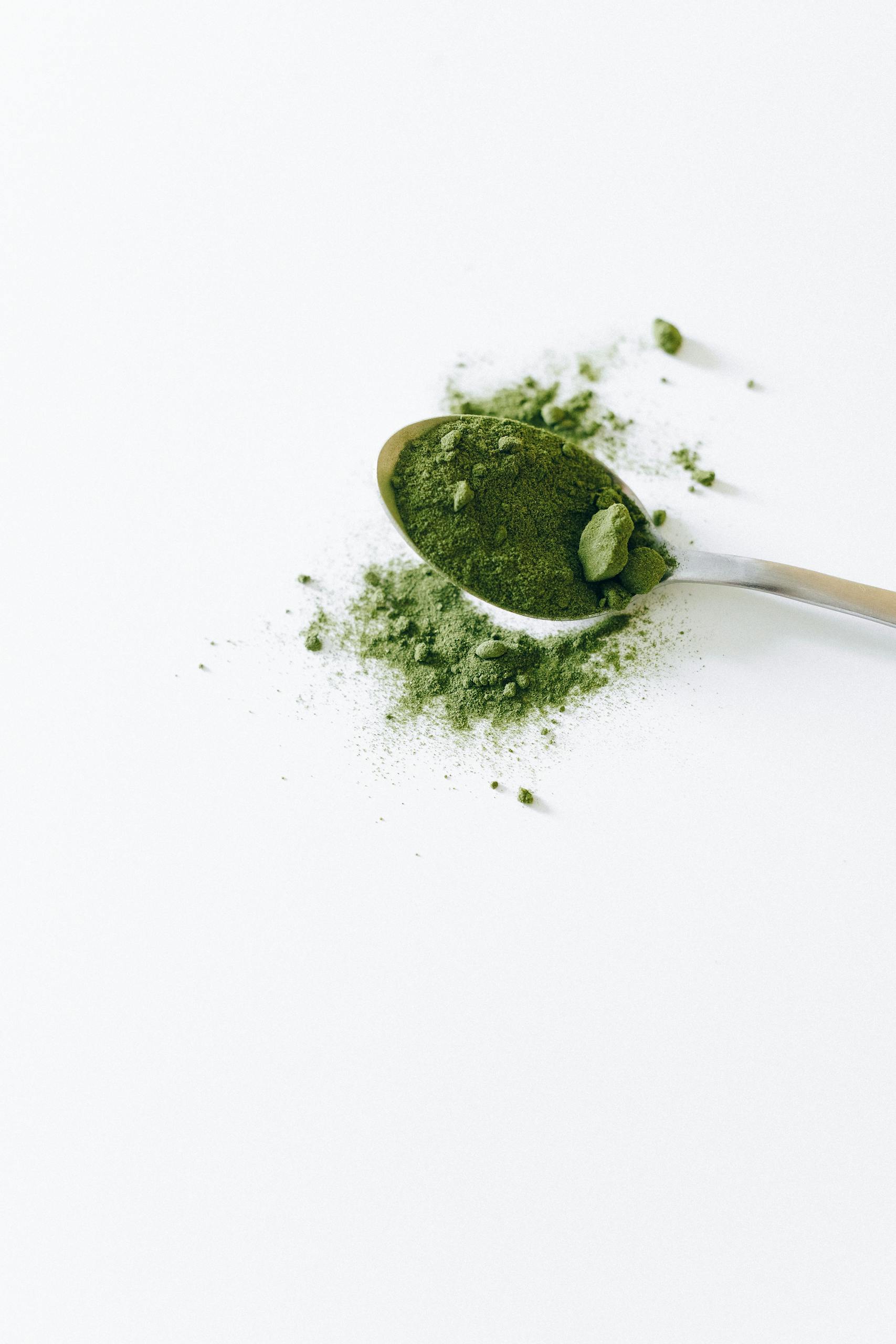
- A vibrant emerald green color—a hallmark of freshness and chlorophyll content.
- Ultra‑fine, silky texture that dissolves well in water or milk.(SayWhatMagazine)
Color intensity often correlates with quality, whereas dull or yellowish hues indicate oxidation or degradation.(Reddit)
H2: Why Storage Matters — The Science Behind It
Matcha is extremely sensitive to environmental factors:
- Light breaks down chlorophyll and antioxidants.
- Oxygen causes oxidation and bitterness.
- Heat and moisture accelerate nutrient loss.(SayWhatMagazine)
Bin matcha’s advanced storage methods address these vulnerabilities:
- Opaque packaging blocks harmful light.
- Vacuum or nitrogen flushing limits oxygen exposure.
- Cool, stable environments slow degradation.(SayWhatMagazine)
This results in not just better flavor but also longer preservation of health‑benefitting compounds like catechins, EGCG, and L‑theanine.(Stars Magazine)
H2: Health Benefits of Bin Matcha
Like all matcha, bin matcha offers a range of wellness advantages. Because it’s preserved well, you often get higher potency and freshness, maximizing beneficial compounds.
Key Benefits
- Rich in Antioxidants – Protects cells from oxidative stress.(Stars Magazine)
- Enhanced Cognitive Focus – L‑theanine and caffeine balance for calm alertness.(Stars Magazine)
- Metabolism Support – Catechins may support fat oxidation.(2A Magazine)
- Heart Health – Regular matcha consumption may support healthy circulation.(2A Magazine)
- Detoxification – Chlorophyll helps with natural detox processes.(Stars Magazine)
These health effects are shared with quality matcha but may be better preserved in bin matcha due to reduced degradation.(Stars Magazine)
H2: Culinary Uses — Beyond the Traditional Tea Bowl
Bin matcha’s smooth character and balanced flavor make it incredibly versatile in modern kitchens.
Popular Ways to Enjoy Bin Matcha
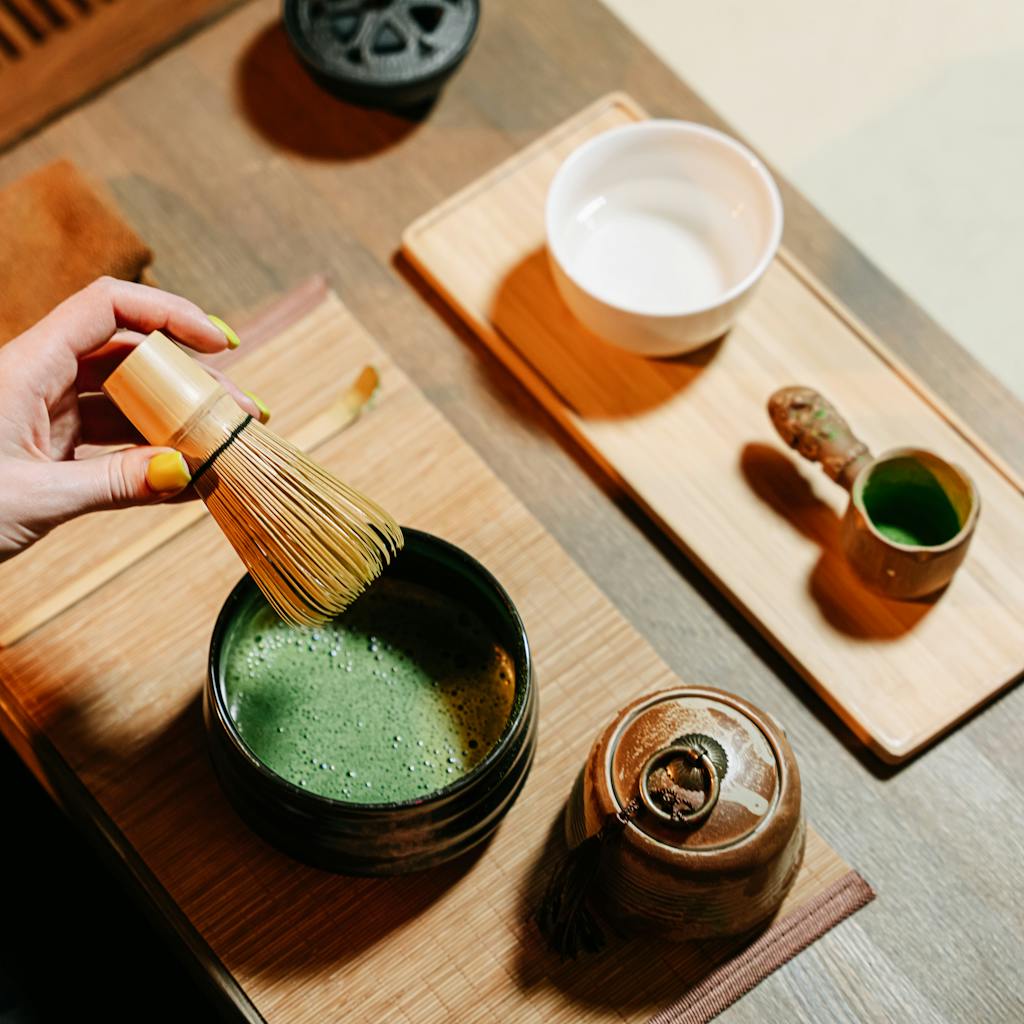
- Traditional whisked tea – Classically prepared with a bamboo whisk.
- Lattes & smoothies – Creamy and balanced without bitterness.
- Baking & desserts – Puts vibrant color and flavor into cakes, cookies, tiramisu, and more.
- Matcha cocktails and beverages – Adds complexity and visual appeal.(SayWhatMagazine)
Its mellow profile makes bin matcha especially good for everyday drinks, where overly grassy matcha may be too sharp for some palates.(aitrender.co.uk –)
H2: How to Choose High‑Quality Bin Matcha
Not all matcha labeled “bin” is equal. Here’s what to look for:
1. Color
Choose a bright emerald green; dull or yellow tones often signal oxidation.(Reddit)
2. Packaging
Look for:
- Airtight, opaque containers
- Nitrogen‑flushed packaging
- Clear grinding and harvest dates(SayWhatMagazine)
3. Origin
Japanese matcha—especially from regions like Uji or Shizuoka—is often the most revered.(SayWhatMagazine)
H2: How to Store Bin Matcha at Home
Even premium bin matcha can degrade without proper storage. Follow these tips:
- Keep it sealed in an airtight, opaque container.
- Store in a cool, dark place away from heat and sunlight.
- Use small portions at a time to avoid frequent exposure.
- Avoid moisture, which accelerates degradation.(SayWhatMagazine)
H2: Frequently Asked Questions (FAQs)
1. Is bin matcha a different kind of tea?
No—bin matcha refers to how matcha is stored and preserved, not a distinct variety of the tea plant.(Stars Magazine)
2. Does bin matcha taste better than regular matcha?
Many find it smoother, richer, and more balanced due to careful storage and reduced oxidation.(aisaspa)
3. How long does bin matcha stay fresh?
Properly sealed bin matcha can stay vibrant far longer than regularly packaged matcha.(SayWhatMagazine)
4. Can I use bin matcha for lattes and cooking?
Absolutely—it’s excellent in drinks, baking, and culinary applications.(aitrender.co.uk –)
5. Is bin matcha healthier than regular matcha?
Its nutrients may be preserved more effectively, but the core health benefits are similar to high‑quality matcha overall.(Stars Magazine)
FAQ 1: What is bin matcha, and how is it different from regular matcha?
Bin matcha refers to matcha that is carefully stored in airtight, opaque containers to preserve its freshness, color, and flavor. Unlike regular matcha, which may be packaged in simple tins or bags and is more prone to oxidation, bin matcha is protected from light, moisture, and oxygen. Some producers even use nitrogen flushing or controlled environments to extend shelf life. The result is a smoother, less bitter, and more aromatic tea that retains its vibrant green color and beneficial nutrients, making it ideal for both traditional tea preparation and modern culinary uses.
FAQ 2: How should I store bin matcha at home?
Even high-quality bin matcha requires proper storage to maintain its flavor and health benefits. Always keep it sealed in its original airtight container or transfer it to an opaque, airtight jar. Store the tea in a cool, dark place, away from sunlight, heat, and humidity. Avoid keeping it in the refrigerator if condensation might occur. Only open the container when you need it, and use small portions at a time to minimize exposure to air. Proper storage ensures that your bin matcha remains vibrant, aromatic, and full of antioxidants for months.
FAQ 3: Can bin matcha be used for cooking and beverages?
Yes, bin matcha is incredibly versatile. Its smooth, mellow flavor makes it ideal for traditional whisked tea as well as modern beverages like lattes, smoothies, and iced drinks. In the kitchen, it can be used in baking, desserts, and confections, adding vibrant color and a subtle umami taste to cakes, cookies, puddings, and even savory dishes. Because bin matcha is less bitter and more aromatic than standard matcha, it blends well with milk, sweeteners, or other ingredients without overpowering flavors, making it perfect for creative culinary experiments and everyday tea enjoyment.
FAQ 4: What are the health benefits of bin matcha?
Bin matcha offers the same health benefits as high-quality matcha, often with better nutrient preservation due to careful storage. It is rich in antioxidants like catechins and EGCG, which help fight oxidative stress. The L-theanine content promotes calm alertness and mental focus, while caffeine provides a gentle energy boost. Regular consumption may support metabolism, heart health, and natural detoxification thanks to chlorophyll. Because bin matcha retains its freshness longer, the tea often delivers more potent flavor and nutritional benefits compared to standard matcha, making it an excellent addition to a daily wellness routine.
Conclusion
Bin matcha represents an evolution in how we think about preserving and enjoying one of the world’s most revered teas. It combines traditional reverence for freshness with modern preservation techniques to deliver a tea experience that is smooth, aromatic, and nutritionally potent.(SayWhatMagazine)
Whether you’re seeking deeper flavor, longer‑lasting freshness, or a versatile ingredient for wellness beverages and recipes, bin matcha is worth exploring. By choosing high‑quality products and storing them with care, you can savor matcha that feels both ancient in spirit and innovative in execution.(aisaspa)