Blazertje: The Complete Guide to the Little Blazer That Changed Modern Style 2026
Introduction: The Rise of a Word and a Wardrobe Essential
Few fashion terms have emerged with as much curiosity and subtle influence as “Blazertje.” It’s a word that, at first glance, might seem playful or whimsical, but its roots, meaning, and impact run far deeper than a passing trend. Whether you’ve seen it on social media, in fashion blogs, or in wardrobe discussions, Blazertje is now part of the conversation around modern dressing.
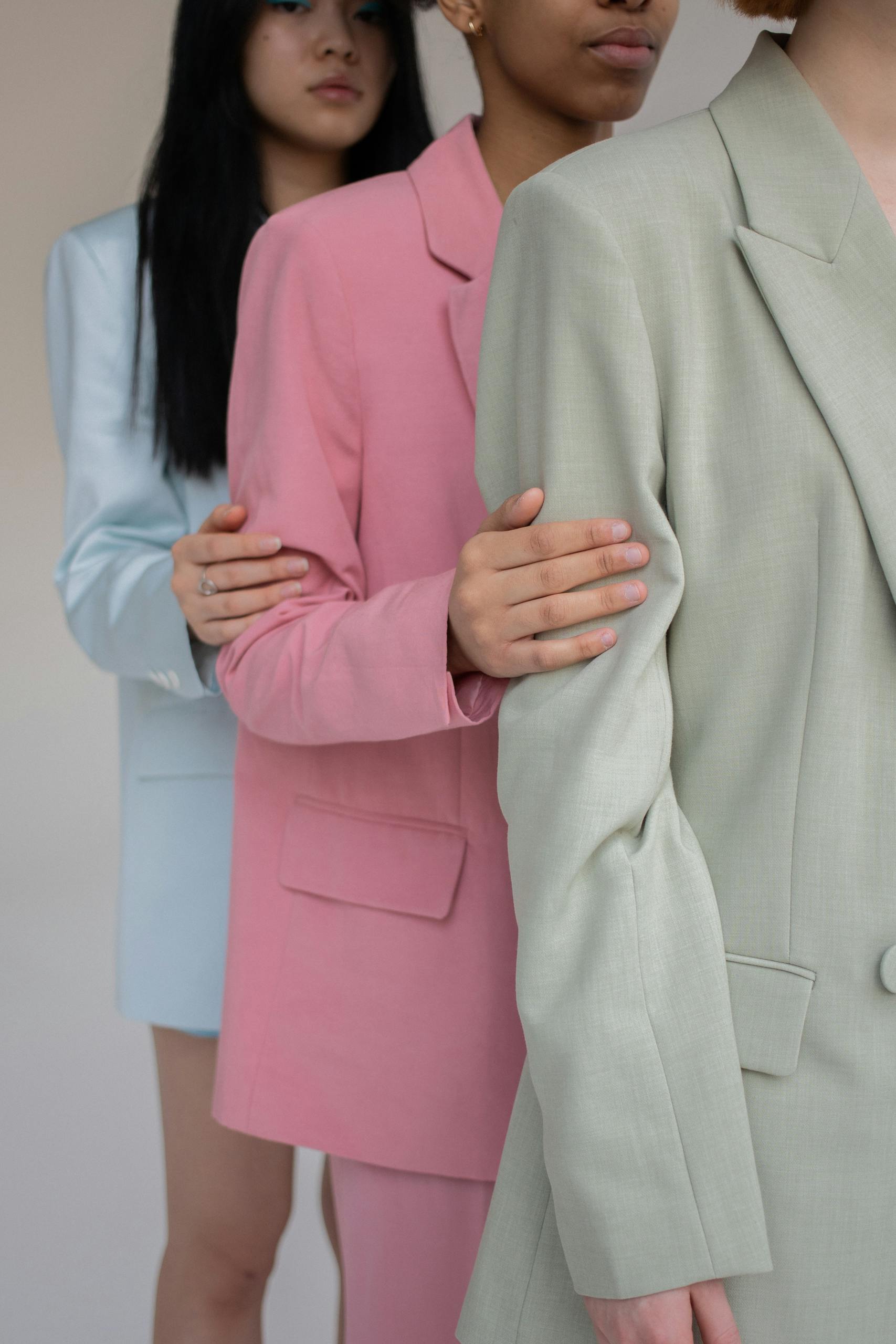
Derived from a classic garment yet reinterpreted for contemporary lifestyles, the Blazertje represents a fusion of structure and comfort — a garment that satisfies both elegance and daily wearability. In this article, we’ll explore everything about Blazertje — what it means, where it comes from, how it’s styled, its cultural and psychological significance, sustainability implications, and where it’s headed next.
1. What Is a Blazertje? Definition and Literal Meaning
At its core, Blazertje is a Dutch‑derived word that literally means “little blazer.” This comes from combining blazer — the classic jacket associated with elegance and semi‑formal dress — with the Dutch diminutive suffix “-tje,” which adds a sense of smallness, affection, or lightness to a term. In literal translation, Blazertje means “little blazer,” but in fashion it has grown into something far richer.
This small‑sounding term now refers to a style of jacket that:
- Is lighter and softer than traditional blazers
- Often has a relaxed structure and modern cut
- Can be styled for both smart casual and semi‑formal occasions
- Works across genders and wardrobes
Unlike a stiff blazer, a Blazertje balances elegance with ease — offering form without rigidity, style without discomfort.
2. The Historical Roots of the Blazertje
2.1 From 19th‑Century Blazers to Modern Wardrobes
The blazer itself has a long history, dating back to the 19th century as part of British rowing clubs and naval uniforms. These early blazers were bold, structured jackets — often bright in color — serving as symbols of identity and distinction. Over time, blazers became synonymous with tailored style, business wear, and semi‑formal dressing.
However, as fashion evolved through the 20th and 21st centuries, tailoring began to share the stage with casual wear, street style, and hybrid fashion sensibilities. Enter the Blazertje: a reinterpretation of the blazer concept that embraces comfort and adaptability without losing its essence of refinement.
2.2 Linguistic Origins: Dutch Influence
The suffix “-tje” in Dutch is a diminutive that adds warmth or endearment. Rather than suggesting fragility or triviality, it conveys approachability. So Blazertje isn’t merely a smaller blazer — it’s a more friendly, wearable, and accessible version of the classic garment.
3. What Makes a Blazertje Unique? Characteristics Explained
A Blazertje differs from a traditional blazer in several important ways:
3.1 Structure and Fit
Unlike traditional blazers that often have shoulder padding, lining, and structured silhouettes, Blazertjes are typically:
- Soft‑shouldered or unlined
- Designed to drape naturally rather than enforce shape
- Shorter in length, often around the waist or hip area
- Less formal in feel, while retaining style
This makes them comfortable for all‑day wear, yet refined enough for polished looks.
3.2 Fabric Choices
Blazertjes embrace a spectrum of fabrics:
- Lightweight fabrics: linen, cotton blends, jersey — for casual or warm climates
- Structured options: wool blends — for cool weather
- Modern technical fabrics: for breathability, stretch, and movement
These diverse materials expand where and when a Blazertje can be worn.
3.3 Versatility and Styling Ease
Perhaps the biggest draw of the Blazertje is its versatility:
- Worn with jeans and sneakers for casual chic
- Layered over dresses for smart casual occasions
- Styled with tailored trousers for business‑inspired looks
This adaptability makes the Blazertje a wardrobe chameleon — shifting shapes without losing identity.
4. Blazertje vs Traditional Blazer: Understanding the Differences
| Feature | Traditional Blazer | Blazertje |
| Structure | Heavily tailored with padding | Light, soft, unstructured |
| Length | Longer, hip to thigh | Usually waist or hip |
| Occasion | Formal to semi‑formal | Smart casual to semi‑formal |
| Flexibility | Less flexible | High versatility |
| Style Feel | Business‑oriented | Contemporary & relaxed |
The Blazertje evolved out of the need for less formal layering without abandoning the polished aesthetic that blazers historically represent. It exists between casual and formal — a modern middle ground.
5. Styling and Wardrobe Integration
A Blazertje can elevate countless outfits. Here’s how to style it for different contexts:
5.1 Everyday Casual
Pair a light cotton Blazertje with:
- A plain white tee
- High‑waisted jeans
- Sneakers
This look balances relaxed comfort with subtle sophistication — ideal for coffee runs or weekend strolls.
5.2 Smart Casual or Work‑Ready
For a polished yet comfortable office style:
- Tailored trousers or chinos
- Simple blouse or shirt
- Neutral colored Blazertje
This strikes a balance between professional and practical, suitable for flexible dress codes.
5.3 Evening or Date Night
Choose a Blazertje in textured fabrics (e.g., wool, velvet):
- Pair with leather pants or a sleek slip dress
- Add heels or boots
- Minimalist jewelry
This look elevates evening wear with playful elegance.
5.4 Layered Winter Look
Layer a Blazertje under a coat for dimension:
- Turtleneck sweater
- Wool trousers
- Boots
This offers warmth without bulk and keeps the outfit dynamic.
6. Global Influence and Trend Adoption
Though it began as a Dutch term, the Blazertje has crossed borders, embraced by fashion influencers and designers worldwide. It features prominently on fashion blogs, social media feeds, and street style chronicles — appealing especially to Gen Z and Millennials who value smart casual dressing.
From Amsterdam’s chic streets to global wardrobes, the Blazertje now stands alongside other versatile staples that redefine contemporary fashion norms. Its global rise reflects a broader shift: **clothing that is adaptable, fluid, and expressive rather than rigid and prescriptive.**
7. Sustainability and the Blazertje Movement
The fashion industry is increasingly focused on sustainability, and the Blazertje aligns with this movement for several reasons:
7.1 Longevity and Wardrobe Value

A classic Blazertje — especially in quality fabrics — lasts years, making it a long‑term investment instead of a disposable purchase. This reduces the churn associated with fast fashion.
7.2 Capsule Wardrobe Fit
Blazertjes are perfect for capsule wardrobes — small, curated collections that maximize outfit versatility and minimize excess. Their adaptability allows a single piece to serve multiple styling purposes.
FAQ – Blazertje
Q: What is a Blazertje?
A: A Blazertje is a stylish, lightweight blazer, often worn casually or semi-formally. It is designed for comfort and fashion, typically featuring soft fabric and a tailored fit, making it perfect for layering over shirts or tops for a polished, trendy look.
7.3 Eco‑Friendly Fabrics
Many contemporary Blazertjes incorporate organic cotton, linen, recycled polyester, and other sustainable materials, aligning style with conscious choices.
8. The Psychology of Wearing a Blazertje
Clothing is more than fabric — it’s identity. Here’s what a Blazertje communicates:
8.1 Confidence with Comfort
Choosing a Blazertje suggests that you value both style and ease. It reflects a self‑assured aesthetic that doesn’t need formal rigidity to make an impression.
8.2 Balanced Expression
The Blazertje represents balance — between old and new, formality and freedom. Wearing it communicates adaptability and emotional fluidity in personal style.
8.3 Individuality without Excess
The Blazertje isn’t about standing out because of flashiness — it’s about *standing out through thoughtful simplicity.*
9. Future Trends: What’s Next for Blazertjes?
As wardrobes continue to evolve, the Blazertje is likely to stay relevant and innovate. Possible future directions include:
- Tech and Digital Fashion: AR try‑ons and digital wardrobe integrations where Blazertjes appear as virtual wearables.
- Hybrid Materials: New textiles that adapt to climate, stretch, or even smart fabric features.
- Brand‑Collaborations: Designers and influencers may release limited Blazertje lines, expanding its cultural footprint.
- Cultural Integration: As global fashion embraces inclusivity, Blazertjes will remain gender‑neutral and stylistically adaptable.
Conclusion: Why Blazertje Matters
Blazertje is more than just a cute word for a jacket — it’s a symbol of how fashion is evolving. It reflects an era where clothing must be expressive, adaptable, and comfortable without sacrificing style. From its Dutch linguistic roots to global fashion consciousness, the Blazertje embodies a new chapter in modern style — one where tradition and innovation sit side by side.
Whether you’re a fashion enthusiast seeking versatile wardrobe pieces or someone curious about how words shape culture, the Blazertje offers a fascinating case of linguistic influence, design evolution, and personal expression. It’s not just a little blazer — it’s a big idea in contemporary fashion.
FAQ – Blazertje
Q: What is a Blazertje?
A: A Blazertje is a stylish, lightweight blazer, often worn casually or semi-formally. It is designed for comfort and fashion, typically featuring soft fabric and a tailored fit, making it perfect for layering over shirts or tops for a polished, trendy look.
FAQs
1. Is a Blazertje the same as a cropped blazer?
Often yes — many Blazertjes are cropped, but the term also emphasizes softness and versatility beyond just length.
2. Can anyone wear a Blazertje?
Absolutely. Blazertjes are designed to be gender‑neutral and versatile for all wardrobe styles.
3. How do I choose the right Blazertje?
Look at fabric, fit, and styling flexibility. Neutral colors are easiest to pair, while textured fabrics add sophistication.
4. Is a Blazertje formal attire?
Not strictly; it’s most accurate to call it smart casual — suitable for office, social outings, and semi‑formal events.
5. Are Blazertjes sustainable?
Many modern Blazertjes use eco‑friendly fabrics and fit into capsule wardrobe strategies, which supports sustainable fashion goals.